2026 Experiential Signage Trends: Texture, Depth and Layered Materials
Explore 2026 experiential signage trends for B2B spaces, from dimensional signage and tactile branding to layered signs and premium metal letters.
2026/09/16
Reading volume: 1
News Details
Signs are no longer just flat brand names on a wall. In 2026, more hotels, retail stores, offices, restaurants, and commercial spaces want signs that people can see, feel, and remember. This is why texture, depth, and layered materials are becoming key parts of modern brand design.
For B2B buyers, experiential signage trends point to one clear idea: a sign should do more than show a logo. It should shape the mood of a space. It should guide people with style. Also, it should help a brand feel more real.
At River Stone, custom metal signs, stainless steel letters, and non-illuminated signs can be made with different materials, finishes, and structures. As a result, brands can create richer spaces with strong visual impact.
What Is Experiential Signage?
Experiential signage is signage designed to create a stronger brand experience. It uses form, material, surface, light, shadow, and placement to make a space more engaging.
Instead of a simple printed panel, brands may choose dimensional signage, layered signs, metal letters, freestanding letters, wall logos, plaques, or mixed-material displays. These signs add depth and detail, so the brand feels more premium and more memorable.
This is especially useful in B2B spaces such as hotel lobbies, office reception areas, retail stores, trade show booths, restaurants, and real estate sales centers.
Trend 1: Dimensional Signage Adds Real Depth
Dimensional signage will stay strong in 2026 because it gives a brand a physical presence. Raised letters, thick metal logos, and 3D wall signs create shadows and depth. Therefore, they look more solid than flat graphics.
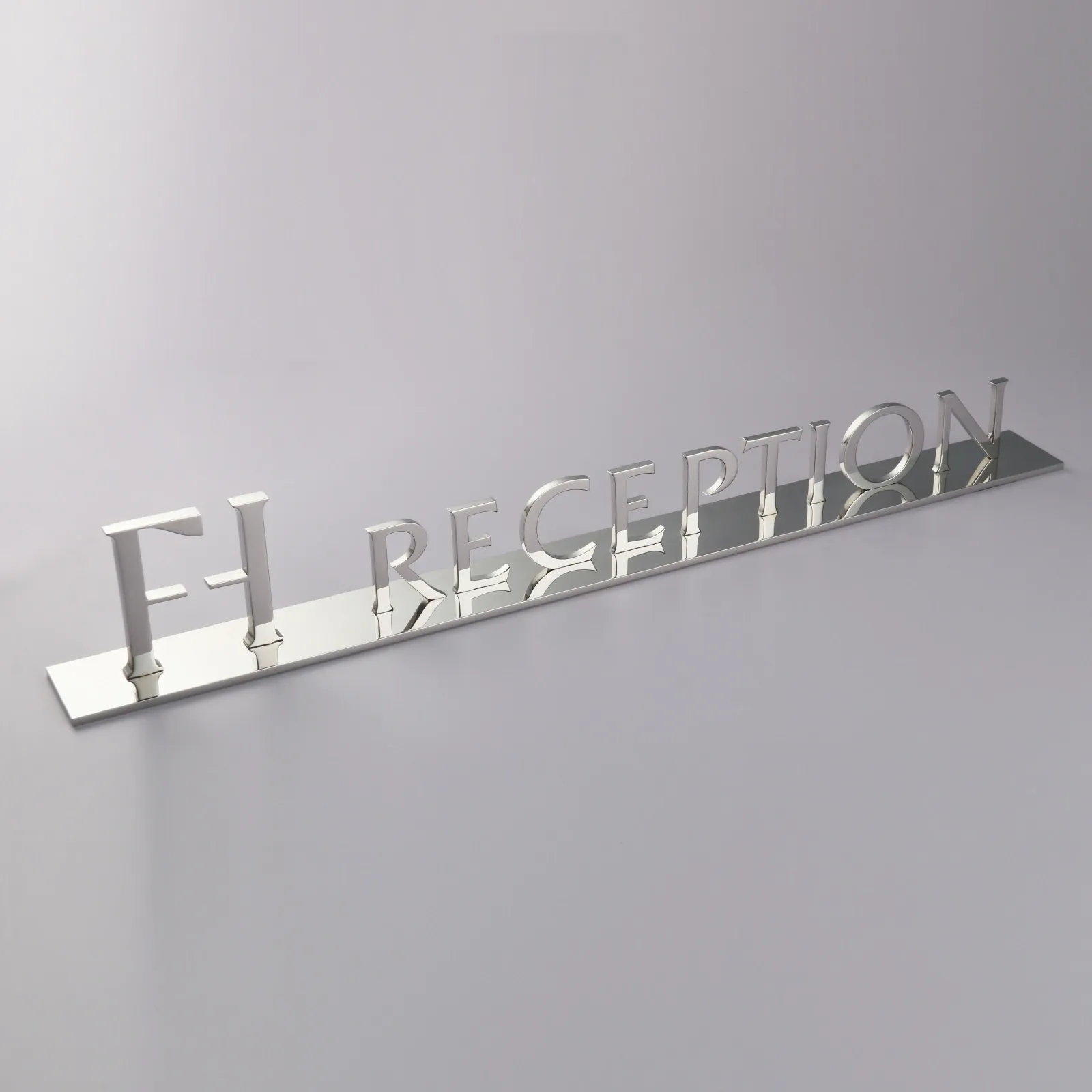
For example, stainless steel letters can be mounted on a wall, placed on a reception desk, or built as freestanding brand letters. River Stone’s custom freestanding stainless steel letters are a good option for brands that need a clean, strong, and high-end look for desks, counters, displays, and interior spaces.
Dimensional signs also help brands look more established. Because the sign has weight and shape, it feels more permanent. This matters for hotels, corporate offices, luxury retail stores, and showroom projects.
Trend 2: Tactile Branding Creates a Stronger Memory
People remember what they can feel. That is why tactile branding is becoming more important in commercial design.
A brushed metal logo, a raised stainless steel letter, or a layered acrylic and metal sign can create a strong sense of quality. Even if visitors do not touch the sign, the surface still suggests texture. As a result, the brand feels more real and more crafted.
Tactile branding works well in spaces where trust matters. These include law firms, finance offices, clinics, luxury stores, hotels, and real estate brands. In these spaces, small details help build confidence.
Common tactile effects include brushed metal grain, mirror polished surfaces, matte painted finishes, raised letters, engraved plates, and layered panels.
Trend 3: Layered Signs Bring Materials Together
Layered signs are one of the most useful design trends for 2026. They allow brands to mix metal, acrylic, wood, glass, stone, or painted panels in one sign.
For example, a company may use a matte black base panel with brushed stainless steel letters. A hotel may choose a wood backplate with gold metal letters. A retail brand may combine clear acrylic with painted aluminum for a clean and modern effect.
Layered materials help signs stand out without looking too loud. They also give designers more ways to match interior finishes, furniture, lighting, and wall colors.
For B2B projects, this is helpful because many spaces already have a set design style. Layered signs make it easier to connect the brand logo with the full environment.
Trend 4: Non-Illuminated Signs Feel More Refined
While illuminated signs are still useful, many brands are choosing non-illuminated signs for indoor spaces in 2026. These signs feel calm, refined, and architectural.
Non-illuminated signs rely on material, shape, depth, and finish instead of built-in lighting. When paired with good room lighting, they can look premium and clear. They are also easier to maintain in many indoor settings.
River Stone offers custom non-illuminated signs for offices, hotels, retail stores, restaurants, and commercial interiors. Options can include metal letters, plaques, logo signs, wayfinding signs, and custom wall signs.
Because they do not depend on LEDs, non-illuminated signs are often a good choice for reception walls, meeting rooms, corridors, elevator areas, and display counters.
Trend 5: Metal Finishes Add Mood and Brand Character
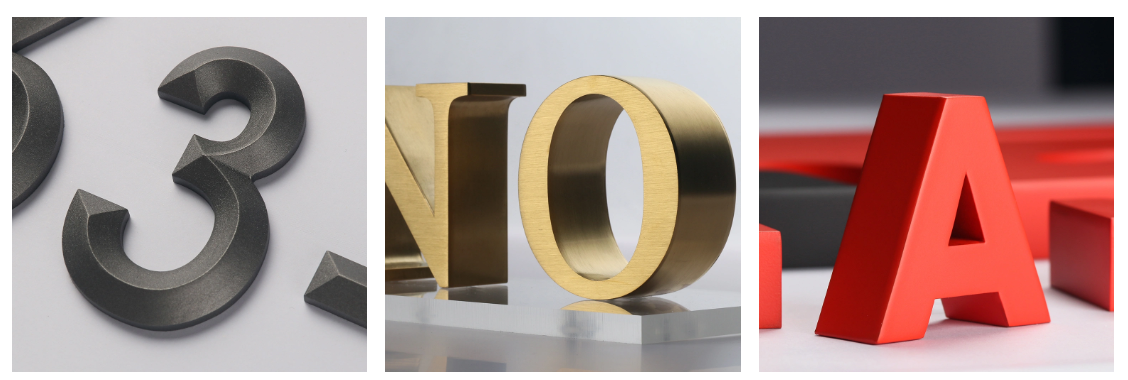
In 2026, surface finish will play a larger role in sign design. The same logo can feel very different depending on the finish.
Brushed stainless steel feels modern and calm. Mirror stainless steel feels bright and sharp. Brushed gold feels warm and premium. Matte black feels bold and simple. Painted metal can match exact brand colors.
Therefore, buyers should think about the mood they want before choosing a finish. A luxury hotel may need warmth. A technology office may need a clean and precise look. A fashion store may need a more dramatic surface.
The best choice is not always the brightest finish. Often, the best sign is the one that fits the space and supports the brand message.
Trend 6: Freestanding Letters Support Flexible Brand Displays
Freestanding letters are becoming more popular because they can be used in many settings. They can sit on reception desks, product counters, event tables, showroom shelves, or trade show displays.
This makes them useful for brands that need flexible signage. Also, freestanding metal letters can create a strong brand moment without needing wall installation.
For B2B buyers, this can save time during store openings, events, and office setup. It also gives marketing teams a reusable brand display that can move from one space to another.
Stainless steel freestanding letters are especially useful when the brand needs a solid and premium feel.
How to Choose the Right Experiential Signage
Start with the space. Is the sign for a lobby, desk, wall, storefront, or display area? Then, think about how people will view it. Will they see it from far away, up close, or both?
Next, choose the right material. Metal is strong, clean, and long lasting. Acrylic is light and flexible. Wood adds warmth. Painted panels can match brand colors. Also, mixed materials can bring more depth.
After that, choose the finish. Brushed, mirror, matte, painted, and plated surfaces each create a different feel.
Finally, review the mounting method. Some signs need wall studs, spacers, adhesive, bases, or hidden supports. A clear mounting plan helps the sign look better and makes installation smoother.
Work withRiver Stone for Custom Dimensional Signs
River Stone supports B2B signage projects for brands, designers, contractors, sign companies, hotels, offices, retail stores, and restaurants. Custom options can include size, material, finish, thickness, structure, and installation method.
Whether your project needs dimensional signage, tactile branding, layered signs, or premium metal letters, River Stone can help turn a brand idea into a finished sign that fits the space.
As experiential signage trends continue to grow in 2026, signs with texture, depth, and layered materials will help brands create stronger first impressions and more memorable spaces.
Share to:


