How Much Does a Commercial Wayfinding Signage System Cost?
Learn about the costs of commercial wayfinding signage, including everything from design and materials to installation, digital displays, and future updates.
2026/10/28
Reading volume: 4
News Details
A commercial wayfinding system can cost a few thousand dollars for a limited scope or reach six figures for a large, complex facility. However, a useful budget needs more detail than a broad price range.
A small office may need room labels and a lobby directory. A hospital, hotel, or campus may require hundreds of signs, outdoor structures, accessible information, and digital displays.
The most reliable way to estimate wayfinding signage cost is to separate planning, fabrication, installation, and ongoing upkeep. This makes quotes easier to compare and helps prevent gaps between the supplier’s price and the finished project.
What Does Wayfinding Signage Cost Include?
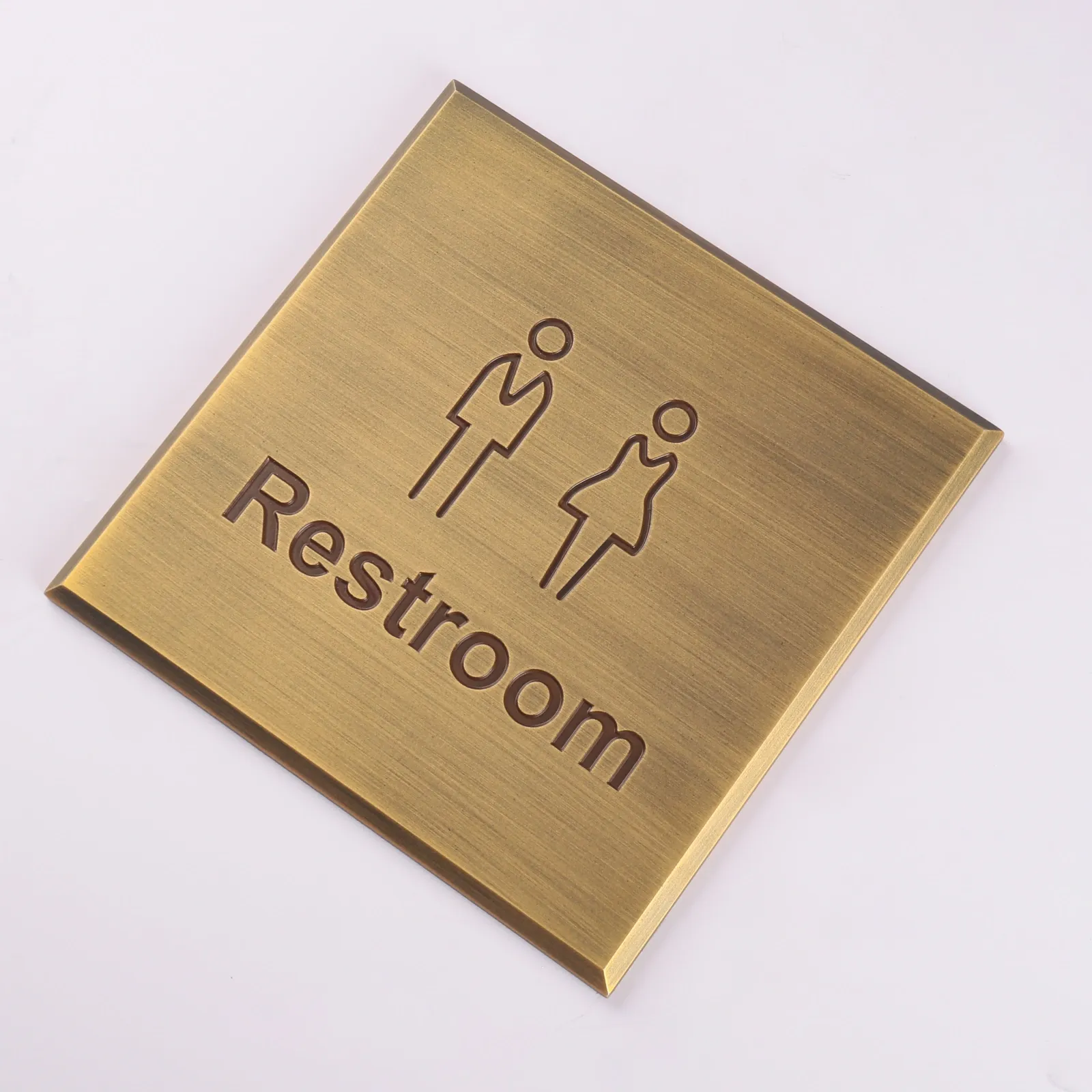
Wayfinding signage helps people understand where they are, choose a route, and recognize their destination.
A complete system may include entrance signs, directories, directional panels, floor identifiers, and room signs. Some projects also include maps and interactive displays.
Budget for the whole system rather than treating each sign as an isolated purchase.
| Cost category | Typical scope |
| Survey and planning | Site review, routes, destinations, and sign locations |
| Design | Sign family, layouts, maps, drawings, and message schedules |
| Fabrication | Materials, finishes, printing, lettering, and lighting |
| Logistics | Packing, freight, customs handling, and delivery |
| Installation | Labor, fixings, access equipment, and electrical work |
| Handover and upkeep | Records, replacement panels, repairs, and content updates |
Ask each bidder to show which items are included, excluded, or priced separately.
Why Sign Quantity and Type Matter More Than Floor Area Alone
Building size offers context, but it does not establish the required sign count.
A simple open-plan building may need fewer directional signs than a smaller building with several corridors, entrances, and tenant areas. Multiple languages and separate visitor routes can also increase the scope.
Count signs by function:
- Identification signs confirm a room, floor, or department.
- Directional signs guide people at decision points.
- Directories show several destinations.
- Maps explain the layout.
- Exterior signs guide arrivals between buildings and entrances.
Next, define each sign’s size, material, mounting method, and quantity. This creates a sign schedule that suppliers can price consistently.
How Wayfinding Signage Design Affects the Budget
Wayfinding signage design includes more than selecting colors and fonts. It organizes information so people can make the right choice at the right point.
The design stage may cover destination names, route planning, arrows, pictograms, maps, and viewing distances.
Clear planning can help avoid unnecessary signs. It also reduces the risk of producing panels with confusing messages or outdated department names.
To control revisions, approve the following before fabrication:
- Destination list and naming rules.
- Floor plans and routes.
- Sign locations and mounting heights.
- Artwork and message schedule.
- Language versions.
- Relevant accessibility requirements.
Design fees should state the deliverables and number of review rounds. Otherwise, repeated changes can increase both cost and lead time.
Material Choices Change Building Wayfinding Signage Prices
For building wayfinding signage, material selection affects appearance, weight, fabrication effort, and maintenance.
Printed panels may suit straightforward interior directions. Acrylic can provide layered effects and clean lettering. Metal can support a more substantial architectural finish.
However, material names alone do not define comparable products. Two stainless steel signs may differ in thickness, finish, construction, and mounting details.
River Stone lists custom brass signs, stainless steel lettering, and acrylic-faced illuminated products among its offerings. Its published pricing guidance states that cost depends on size, materials, craftsmanship, and design complexity.
For a coordinated system, consider using premium finishes at main entrances and reception areas, with simpler matching signs elsewhere. Keep the information style consistent across both.
Installation Can Change the Total Signage and Wayfinding Cost
A fabrication quote may exclude the work needed to place the signs safely on site.
Installation costs depend on wall construction, mounting height, access, working hours, and the condition of existing surfaces.
For example, a small panel fixed to a prepared interior wall has a different scope from a suspended sign above a busy lobby. Exterior structures may also need foundations or project-specific engineering.
Confirm responsibility for:
- Site measurements and setting out.
- Suitable anchors and supporting structures.
- Removal of old signs.
- Surface repairs.
- Lifts, scaffolding, or restricted access.
- Electrical connections.
- Required approvals and inspections.
Also, confirm applicable accessibility, fire-safety, and local sign requirements with the project team. A standard product description does not establish compliance for every installation.
What Does Digital Wayfinding Signage Add?
Digital wayfinding signage introduces costs beyond the display itself.
A complete package may need an enclosure, media player, software, network connection, map setup, content management, and support.
For interactive systems, buyers should also check how destinations are searched, routes are displayed, and information is updated.
Request separate prices for:
- Hardware and installation.
- Initial maps and content.
- Software licenses or subscriptions.
- Data connections and integrations.
- Training and technical support.
- Future changes and hardware replacement.
Digital displays can suit locations where destinations or events change often. Meanwhile, static signs remain useful for stable routes and essential identification.
A hybrid system may be appropriate, but the balance should follow user needs and the building’s operating plan.
An Example of a Complete Wayfinding Budget
The following example shows how costs add up. These are assumed figures in US dollars for budgeting practice, not market benchmarks or a River Stone quotation.
| Item | Assumed calculation | Subtotal |
| Room identification signs | 40 × $60 | $2,400 |
| Interior directional signs | 12 × $180 | $2,160 |
| Lobby directories | 2 × $750 | $1,500 |
| Survey and design | Allowance | $2,000 |
| Packing and delivery | Allowance | $600 |
| Installation | Allowance | $1,800 |
| Subtotal | $10,460 | |
| Contingency | 10% of subtotal | $1,046 |
| Illustrative budget | $11,506 |
This example excludes digital displays, taxes, duties, permits, electrical work, and major surface repairs.
Replace every allowance with a project quote as the scope becomes clear. The contingency should also reflect the project’s actual uncertainty.
Reduce Cost Without Weakening the System
Start by standardizing sizes, finishes, and mounting details. Repeated components can simplify production, installation, and replacement.
Also, approve one representative sample before releasing the full order. A sample can reveal issues with contrast, finish, fixing access, or panel changes.
For buildings with changing tenants, consider replaceable message panels. They may reduce the work needed for later updates.
Other useful steps include:
- Finalize names before printing.
- Combine orders where the schedule allows.
- Label parts by floor and location.
- Keep approved drawings and artwork.
- Request spare panels or components where practical.
Avoid removing necessary directional information simply to reduce the initial sign count.
Request a Comparable Quote from River Stone
To discuss a project with River Stone, provide floor plans, site photographs, a sign schedule, preferred materials, delivery location, and target dates.
State whether you need fabrication only or additional design, logistics, and installation support. For digital elements, confirm the available supply scope separately.
Ask for an itemized quote with clear assumptions, exclusions, and revision terms. This gives buyers a practical basis for comparing signage and wayfinding proposals and building a budget that covers the finished system.
Share to:


