Hotel Signage System Checklist: Exterior, Lobby, Rooms and Wayfinding
a checklist covering exterior signs, lobby signs, room signs, wayfinding, materials, installation, and project planning for practical hotel signage systems.
2026/10/10
Reading volume: 3
News Details
A hotel signage system is more than a group of signs. It guides guests, supports the brand, helps staff work better, and creates a smooth first impression from arrival to checkout.
For hotel owners, designers, contractors, and procurement teams, signage should be planned early. If signs are ordered too late, the project may face design changes, site issues, higher costs, or delayed opening dates.
This checklist helps B2B project buyers review the main sign types used in hotels, including exterior signs, lobby signs, restroom signs, and wayfinding signs.
Why a Hotel Signage System Matters
Guests use signs at every step of their stay. They look for the hotel entrance, reception desk, elevators, room numbers, restrooms, meeting rooms, parking areas, and exits.
A clear hotel signage system helps guests move with less stress. It also supports safety, improves brand image, and makes the property feel more professional.
In addition, hotel signage must match the interior design. A luxury hotel may need brushed metal, warm light, and refined details. A business hotel may need clean lines, simple text, and durable materials. A resort may need signs that work well in both indoor and outdoor spaces.
Therefore, the sign system should be planned as one full package, not as separate items.
Checklist 1: Exterior Hotel Signs
Exterior signs are often the first brand touchpoint. They help guests find the property and understand the hotel style before they enter.
Common exterior hotel signs include building logo signs, entrance signs, monument signs, facade signs, parking signs, directional signs, and drop-off area signs.
When planning exterior signs, check the viewing distance, building height, local rules, wind load, lighting needs, and installation surface. Also, confirm whether the sign needs to be illuminated or non-illuminated.
Materials should be strong enough for outdoor use. Stainless steel, aluminum, acrylic, and weather-resistant coatings are common choices. For coastal or high-humidity areas, material grade and finish are especially important.
A custom signage manufacturer can help adjust the sign structure, finish, and mounting method based on the site.
Checklist 2: Lobby and Reception Signs
The lobby is where the hotel brand becomes real. The sign in this space should feel polished, clear, and aligned with the interior design.
Common lobby signs include reception wall logos, freestanding brand letters, directory signs, floor guides, and desk signs.
For premium hotels, metal letters are a popular choice. Brushed stainless steel, mirror stainless steel, brushed gold, black titanium, painted metal, and PVD coating can all create different brand moods.
River Stone offers custom signage products such as stainless steel letters, metal signs, and freestanding letters for reception desks, display counters, showrooms, and brand spaces.
When planning lobby signs, check size, wall material, lighting, background color, and viewing angle. Also, confirm how the sign will be mounted, such as hidden studs, adhesive, spacers, or base plates.
Checklist 3: Guest Room Signs
Guest room signs need to be easy to read, durable, and consistent. They may look small, but they are used every day by guests, staff, and service teams.
Common room signs include room number plaques, door signs, suite signs, accessible room signs, housekeeping signs, and do-not-disturb sign holders.
For room numbers, clear contrast is important. Text and numbers should stand out from the background. Also, the finish should be easy to clean and hard to damage.
In many hotels, room signs may include tactile text or Braille, depending on local access rules and project needs. Therefore, it is important to confirm requirements before production starts.
A custom sign manufacturer can produce room signs in matching sizes, colors, materials, and finishes so the full hotel floor looks unified.
Checklist 4: Wayfinding Signs
Wayfinding signs help guests move from one area to another. Good wayfinding reduces confusion and improves the guest experience.
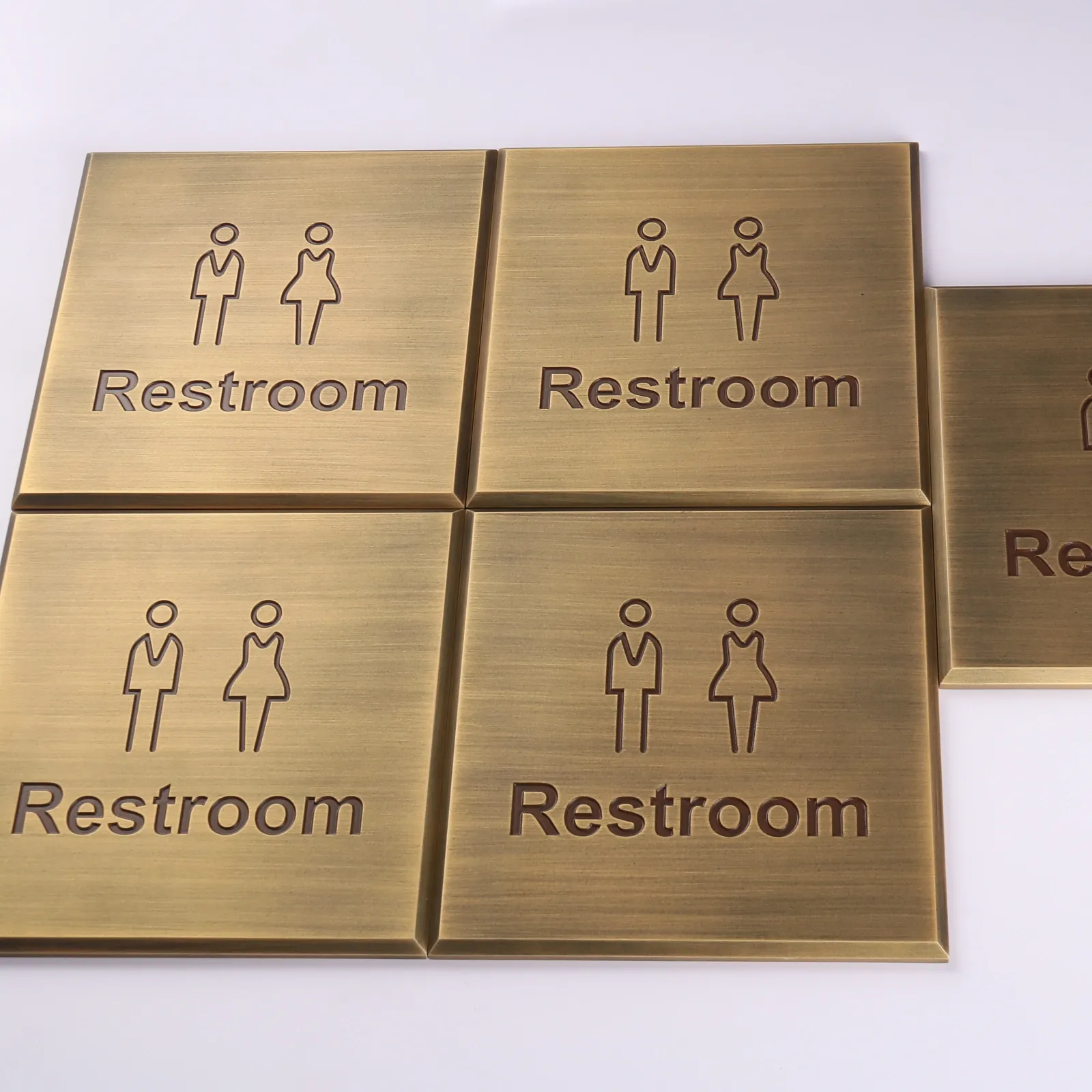
Common wayfinding signs include elevator signs, corridor signs, floor signs, restroom signs, meeting room signs, spa signs, gym signs, restaurant signs, pool signs, parking signs, and exit route signs.
The best wayfinding signs use simple words, clear arrows, and consistent placement. If signs are too small, too decorative, or placed too late in the route, guests may miss them.
Before ordering, review the guest journey. Start at parking, drop-off, and entrance. Then follow the path to reception, elevators, rooms, meeting areas, restaurants, and exits.
This process helps identify where signs are needed and what each sign should say.
Checklist 5: Back-of-House and Staff Signs
Hotel signage is not only for guests. Staff areas also need clear signs to support daily work and safety.
Back-of-house signs may include laundry signs, kitchen signs, storage room signs, staff entrance signs, service elevator signs, maintenance signs, security signs, and delivery signs.
These signs should be simple, durable, and easy to clean. In staff areas, the design can be more practical, but it should still follow the hotel’s basic visual system.
Clear staff signs can help reduce mistakes, improve workflow, and support safety rules.
Checklist 6: Materials and Finishes
Material choice affects appearance, cost, service life, and maintenance.
Stainless steel gives a premium and durable look. It works well for lobby signs, room plaques, and high-end brand signs.
Aluminum is light, strong, and useful for both indoor and outdoor signs. It can be painted, powder coated, brushed, or printed.
Acrylic is clean and flexible. It is often used for room signs, plaques, and layered signs.
Wood, glass, brass, and stone can also be used for special hotel design concepts. However, they should be selected carefully based on use, cleaning, and installation needs.
Finishes may include brushed metal, mirror polished, matte paint, satin paint, powder coating, PVD coating, printed graphics, or engraved details.
An architectural signage manufacturer can help match material choices with the hotel brand and the project budget.
Checklist 7: Sign Schedule and Location Plan
A sign schedule is one of the most important documents in a hotel signage project. It helps all teams work from the same list.
A good sign schedule should include sign code, sign name, location, quantity, size, material, finish, color, text, mounting method, and remarks.
In addition, a location plan should show where each sign will be installed. This helps avoid missing signs and wrong placement.
For large hotels, the schedule should also separate signs by area, such as exterior, lobby, guest floors, meeting rooms, restaurants, parking, and back-of-house.
Before production starts, the hotel owner, designer, contractor, and sign supplier should all review and approve the schedule.
Checklist 8: Artwork and Brand Files
Accurate artwork helps the sign manufacturer produce the right result.
Provide vector logo files when possible. These may include AI, EPS, SVG, CDR, or high-quality PDF formats. Also, convert fonts to outlines so the text does not change when opened by another team.
For brand colors, provide Pantone, RAL, CMYK, or approved color samples. This is helpful for painted signs, printed signs, and coated metal signs.
Also, include drawings, elevations, renders, and site photos if available. These files help the supplier understand scale, surface type, and design intent.
Checklist 9: Installation and Mounting
Hotel signs must be installed securely and neatly. Before production, confirm the mounting surface for each sign.
Common surfaces include glass, stone, marble, wood, drywall, concrete, tile, aluminum panels, and exterior walls. Each surface may need a different mounting method.
Common mounting options include hidden studs, screws, adhesive tape, spacers, hanging systems, base plates, or brackets.
Also, confirm if wiring is needed for illuminated signs. Even for non-illuminated signs, site access, drilling limits, and wall strength should be checked early.
Good installation planning helps avoid wall damage, unsafe mounting, and last-minute changes.
Checklist 10: Working With the Right Manufacturer
A hotel project often needs many sign types, materials, sizes, and finishes. Therefore, choosing the right partner matters.
A professional custom signage manufacturer should understand brand design, project schedules, material choices, finish control, packing, and international shipping.
River Stoneworks as a custom sign manufacturer and architectural signage manufacturer for commercial signage projects. Products can be customized by size, material, finish, color, thickness, and mounting method.
For hotel buyers, this helps create a consistent signage package for exterior areas, lobby spaces, guest rooms, wayfinding, and back-of-house use.
FAQ
What signs are included in a hotel signage system?
A hotel signage system may include exterior signs, lobby signs, reception signs, room number signs, wayfinding signs, restroom signs, elevator signs, parking signs, meeting room signs, and back-of-house signs.
When should hotel signage be planned?
Hotel signage should be planned early, ideally during the design or construction phase. Early planning helps confirm sign locations, materials, installation methods, and project budget.
What materials are best for hotel signs?
Common materials include stainless steel, aluminum, acrylic, brass, glass, wood, and painted metal. The best choice depends on the hotel style, location, budget, and maintenance needs.
Why is a sign schedule important?
A sign schedule lists every sign in the project. It helps confirm quantity, size, text, material, finish, location, and mounting method. This reduces mistakes before production starts.
Can one manufacturer make all hotel signs?
Yes, a custom signage manufacturer can often make a full hotel signage package. This helps keep materials, colors, finishes, and design details consistent across the project.
Final Thoughts
A complete hotel signage system should guide guests clearly, support the brand, and fit the building design. Exterior signs create the first impression. Lobby signs build brand value. Room signs help guests find their space. Wayfinding signs make the whole property easier to use.
By preparing a clear checklist, sign schedule, artwork files, and installation plan, hotel buyers can reduce delays and improve project quality. Working with an experienced custom sign manufacturer also helps turn design ideas into durable, well-made signs for every part of the hotel.
Share to:


