Wall-Mounted, Blade or Hanging Light Box: How to Choose
Compare wall-mounted light box, blade sign, and hanging sign choices. Find the best types of light box signs from custom signage manufacturers like River Stone.
2026/08/20
Reading volume: 1
News Details
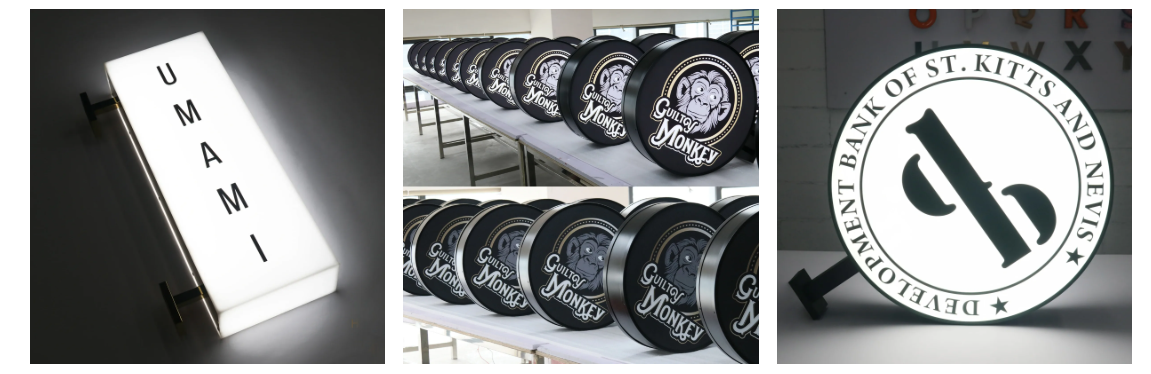
Selecting the right illuminated display for your business is a vital step toward boosting store foot traffic and brand awareness. Illuminated signs draw eyes quickly, day or night. However, picking among the main types of light box signs can feel confusing. Should you mount your display flat against the wall, extend it outward over the sidewalk, or suspend it from above?
In this guide, we break down wall-mounted displays, blade signs, and hanging boxes. As experienced custom signage manufacturers, River Stone helps business owners choose the right style, material, and placement to maximize everyday visibility.
What Is a Wall-Mounted Light Box?
A wall mounted light box attaches flat against an exterior storefront face or an interior building wall. Because it sits parallel to the building, it acts as a primary centerpiece for your brand name and logo.
Key Benefits
-
Direct Front-Facing Impact: Drivers and pedestrians walking straight toward your shop see your logo immediately.
-
Large Graphic Surface: Flat wall displays give you plenty of room for large letters, complex graphics, and detailed business messaging.
-
Weather Resistance: Sitting flat against the wall protects electrical wires and frames from harsh wind loads.
Best Use Cases
Wall-mounted units work best above store entrances, on large building facades, or behind reception desks inside corporate offices.
What Is a Blade SignLight Box?
A blade sign mounts perpendicular to your wall or storefront surface. Instead of lying flat, it sticks out at a ninety-degree angle toward oncoming traffic.
Key Benefits
-
Two-Sided Visibility: Most blade displays offer double-sided graphics, catching traffic from both left and right directions down a crowded street.
-
High Foot-Traffic Capture: Pedestrians walking close to store walls often miss flat signs above doors. A blade display projects right into their line of sight.
-
Compact Footprint: These units provide excellent visual presence without taking up large amounts of wall real estate.
Best Use Cases
Blade displays excel in dense urban shopping streets, historic downtown districts, narrow walkways, and busy retail centers.
What Is a Hanging Light Box Sign?
A hanging sign suspends from ceiling beams, canopy overhangs, or overhead metal brackets using sturdy chains or cables.
Key Benefits
-
Maximizes Overhead Space: Hanging displays turn unused ceiling area into eye-level promotional space.
-
Flexible Indoor Navigation: Inside large buildings, suspended light displays help customers quickly locate specific departments or service counters.
-
360-Degree Placement: Hanging fixtures can sit near glass windows, over aisles, or above entry gates without taking up valuable floor space.
Best Use Cases
Suspended light displays are ideal for indoor shopping malls, airport terminals, supermarket aisles, and covered outdoor walkways under building awnings.
Key Comparison: Matching the Sign to Your Space
To make the right choice, compare these three popular options across practical business needs:
| Feature | Wall-Mounted Light Box | Blade Sign | Hanging Sign |
| Primary Direction | Head-on traffic | Side-walking traffic | Multi-directional / Overhead |
| Graphic Sides | Single-sided | Double-sided | Single or Double-sided |
| Best Location | Main building facade | Busy sidewalk storefronts | Awnings, malls, and aisles |
| Main Advantage | Large graphic surface | Captures long-distance foot traffic | Uses empty ceiling space |
4 Practical Factors to Guide Your Decision
When choosing your display, keep these real-world considerations in mind:
1. Traffic Direction and Viewing Angle
First, analyze how people approach your shop. If potential customers walk along the sidewalk right next to your building, a blade display gets noticed instantly. However, if traffic approaches your store from a street across a parking lot, a flat wall unit provides much better clarity.
2. Local Building Codes and Permits
Second, check local sign rules before ordering. Many cities restrict how far a frame can extend over public sidewalks or specify minimum ground clearance heights for projecting hardware.
3. Installation Surface Strength
Third, check your mounting surface. Heavy wall or blade displays need solid structural support like brick, concrete, or steel framing. For weaker ceilings or light canopies, choose lightweight aluminum and acrylic fabrications.
4. Custom Branding Needs
Finally, think about your logo design and branding goals. Working with a dedicated custom sign supplier like River Stone allows you to customize frame colors, edge lighting, acrylic face materials, and energy-efficient LED modules to match your exact brand style.
Why Partner with River Stone for Your Light Box Project?
Choosing the right lightbox style is only half the job. You also need heavy-duty materials, bright LED illumination, and clean structural fabrication that lasts for years.
As professional custom signage manufacturers, River Stone creates custom wall-mounted, blade, and hanging light box solutions tailored to your unique facility layout. Whether you run a retail shop, a restaurant chain, or a corporate complex, our engineering team delivers durable, weather-resistant illuminated displays that make your business stand out day and night.
Share to:


