What Is Wayfinding Signage?
Learn what is wayfinding signage and how effective signage and wayfinding design improves navigation. Discover digital and interior wayfinding signage solutions from River Stone.
2026/08/04
Reading volume: 4
News Details
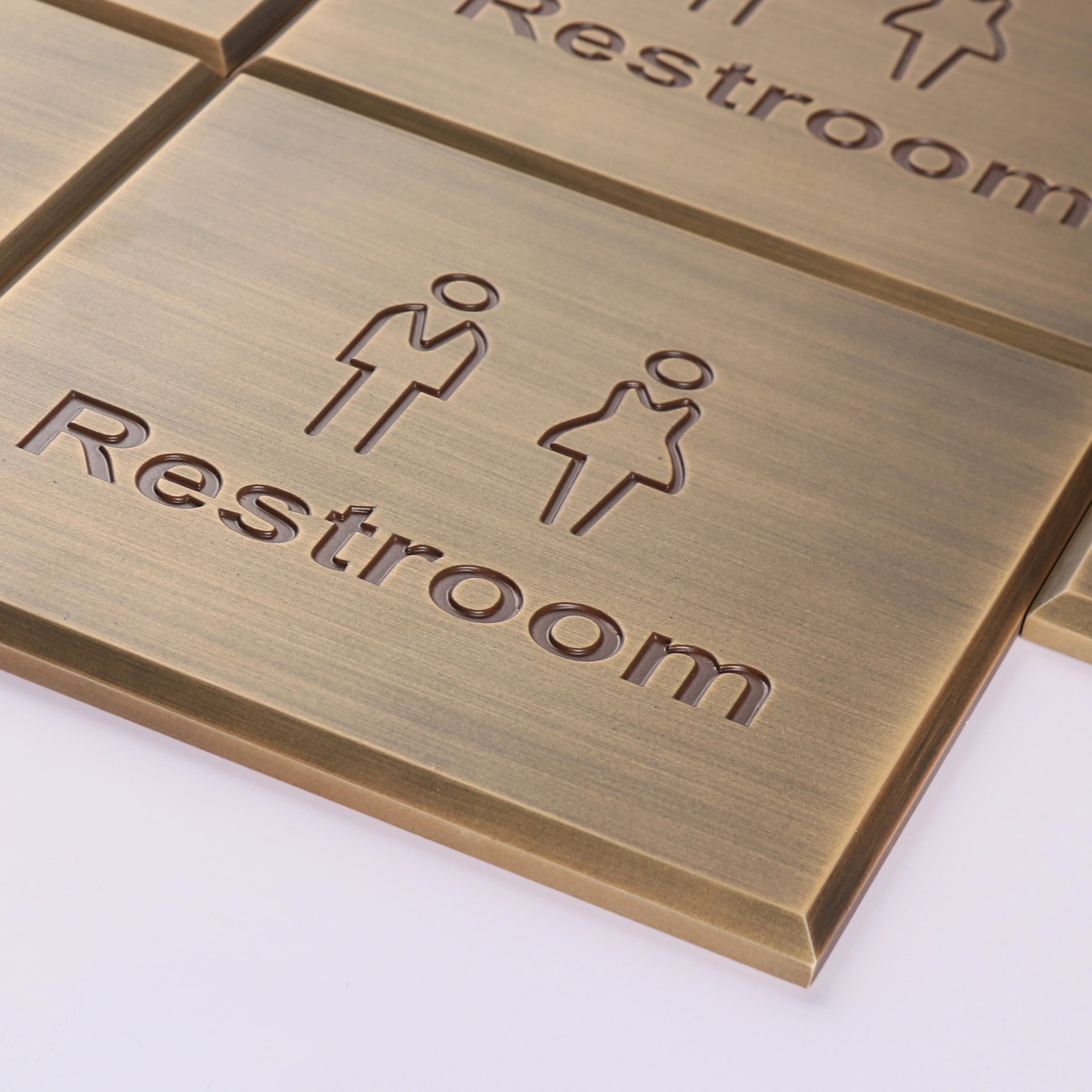
Large buildings can quickly confuse visitors and clients. When people step into a new airport, hospital, or corporate office, they need quick directions. So, what is wayfinding signage?
Simply put, wayfinding signage is a system of visual signs, symbols, and maps. These tools guide people through physical spaces smoothly. Instead of standing alone, these signs work together as a team to direct traffic and prevent confusion.
In this guide, we will explore how good signage and wayfinding plans help your business. We will also introduce simple design rules and custom products from River Stone premium custom signage at www.rssignage.com.
What Is Wayfinding Signageand How Does It Work?
Good navigation tools help people find their way naturally. When people enter a new building, they look for visual signs to answer four easy questions:
-
Where am I now?
-
Where do I want to go?
-
Which path leads there?
-
How do I know I arrived?
A well-planned sign system answers all four questions immediately. As a result, visitors do not need to stop and ask staff for help. Clear signs give people confidence, speed up foot traffic, and improve safety across your venue.
Key Categories in Modern Signage and Wayfinding Systems
To build a complete navigation path, facility managers use four basic sign types. Each type plays a specific role in moving traffic from the main gate to the right room.
1. Identification Signs
Identification signs show people that they have reached their destination. For example, room numbers, door plaques, and restroom signs fit this group. Installers mount these signs on or right next to door frames at eye level.
2. Directional Signs
Directional signs keep people moving step by step. Planners place them at major intersections, hallway forks, and elevator lobbies. These signs usually feature bold arrows alongside clean text labels.
3. Informational Signs
Informational signs give broad details about the building. Main lobby directories, floor maps, and operating hours belong here. Planners place them in central lobby areas where visitors naturally stop to look around.
4. Regulatory Signs
Regulatory signs enforce safety rules and local laws. Examples include emergency exit signs, maximum occupancy limits, and ADA accessibility markers. These signs must follow local building safety codes strictly.
| Sign Category | Main Goal | Placement Area | Key Design Focus |
| Identification | Confirms arrival at a room | Room doors, restrooms | High contrast, clear text |
| Directional | Guides people step-by-step | Hallways, elevator banks | Clear arrows, short lists |
| Informational | Gives general building data | Lobbies, central entrances | Clean maps, floor lists |
| Regulatory | Shows safety rules and laws | Fire doors, restricted areas | Universal symbols, standard colors |
Basic Rules for Interior Wayfinding Signage Design
Creating clear interior wayfinding signage takes careful planning. Good wayfinding signage design matches your building layout while keeping text simple.
Follow these easy rules when designing your indoor navigation signs:
Use Simple Fonts and High Contrast
Choose simple fonts like Arial or Helvetica. Avoid decorative script fonts because people cannot read them quickly. Also, keep strong contrast between your text and the background plate. Dark text on a light plate always works best.
Keep Terms and Symbols Consistent
Always use the same words across your whole facility. If you write "Conference Room A" on the main lobby directory, do not change it to "Meeting Room A" in the hallway. Also, add simple universal icons for elevators and stairs to help international guests.
Keep Mounting Heights Even
Mount your signs at predictable heights. When visitors walk down a long hallway, they should see signs at eye level. Keeping mounting heights even creates a smooth visual rhythm for everyone.
Future Trends: Digital Wayfinding Signage Solutions
As commercial properties expand, property owners combine static signs with digital wayfinding signage. Interactive touch screens and smart digital kiosks offer features that printed signs cannot match alone.
Quick Screen Updates
Busy office buildings and event centers change room names and events often. With digital software, managers can update directory lists in seconds. You save time and money because you do not need to reprint physical boards every month.
Interactive Route Maps
Digital interactive kiosks allow guests to search for target offices. The screen can show a simple step-by-step map that highlights the best walking path, including wheelchair routes.
Combine Static and Digital Signs
Digital screens work great, but you should not drop physical signs completely. The best plan uses both. Static signs keep exit paths and basic room numbers safe during power outages, while digital screens handle quick search needs.
Upgrade Your Building with River Stone Premium Custom Signage
Choosing a strong manufacturing partner ensures your signs last for years. River Stone Signage designs and builds high-quality commercial signage for office parks, retail centers, and industrial facilities.
Key River Stone Products Include:
-
Modular Interior Panels: Easy-to-update wall directories and door plaques for growing teams.
-
Custom Architectural Signage: Brushed metal and acrylic directional signs that match modern building interiors.
-
ADA-Compliant Signs: Tactile door plaques made with standard Grade 2 Braille text.
-
Outdoor Pylon Signs: Durable aluminum signs that direct driver traffic from main gates to parking lots.
-
LED Lighted Markers: Energy-saving LED signs that stay bright at night.
By picking River Stone premium custom signage, commercial buyers get durable materials, precise production, and modern designs that build strong brand trust.
Final Thoughts on Signage and Wayfinding
Clear navigation tools build better customer experiences. By installing reliable interior wayfinding signage, flexible digital wayfinding signage, and smart wayfinding signage design, you make your facility easy and safe for everyone to visit.
Ready to improve your building navigation? Visit River Stone Signage today to view our custom products and request a fast quote for your project!
Share to:


